TL;DR, Quick Answer
- AI video works for: internal drafts, throwaway social tests, early concept previews, nobody's trust is on the line
- Real production wins for: testimonials, hospitality and food, brand films, executive interviews, anything sold to a real customer
- Beyond Focus position: we do not make AI videos, we are a real-capture studio, real cameras, real people, real locations
- What we do use: modern post-production tools, like any professional studio, where they save the client time
- Proof it works: Hotel Casa Palmela real footage drove +40% CTR on Booking.com, no AI substitute matches that
- Case: El Corte Inglés, Air Invictus 2026, Porto, one real shoot delivered horizontal for TV/digital and vertical for Instagram/TikTok
- Talk to us: /en/contact
AI video works for drafts, internal previews and throwaway content nobody outside your team will ever judge. For communicating your brand to real customers, real production still wins, and this guide explains exactly why. We are not neutral on this question, Beyond Focus is a real-capture production company, real cameras, real people, real locations, and we think that matters. But the reasoning below holds regardless of who is telling you, because it comes down to what AI video is actually good at today and what it still cannot do.
What AI Video Does Well Today
To be fair to the tools, AI-generated video has genuine, useful applications, mostly upstream of anything a customer ever sees.
Draft concepts and internal previews. If a marketing team wants to test three directions for a campaign before committing budget, AI video generates rough visual references fast enough to have that conversation in an afternoon instead of a week.
Internal, throwaway content. A training clip for an internal team, a quick placeholder for a slide deck, a mockup to show a client what a concept could look like, none of this needs to survive contact with a real audience, so the limitations of AI video do not cost anything.
Concept tests with no brand exposure.Testing a message or a hook internally, before any real production spend, is a reasonable use of AI video. It answers "does this idea work" without answering "does this look credible to a paying customer", which is a different question entirely.
Where AI Video Fails for Brands
The failures cluster around one theme: anything that depends on a real customer believing what they are seeing is real.
Real people. Synthetic faces and voices have improved, but consistency across a full film, matching expressions, natural blinking, believable delivery under different emotional beats, still breaks down under scrutiny. A viewer does not need to consciously spot the flaw to feel that something is off.
Testimonials.A testimonial's entire value is that a real customer said this, unprompted, on camera. The moment an audience suspects the face or voice is synthetic, the testimonial stops working, it becomes evidence against the brand instead of for it.
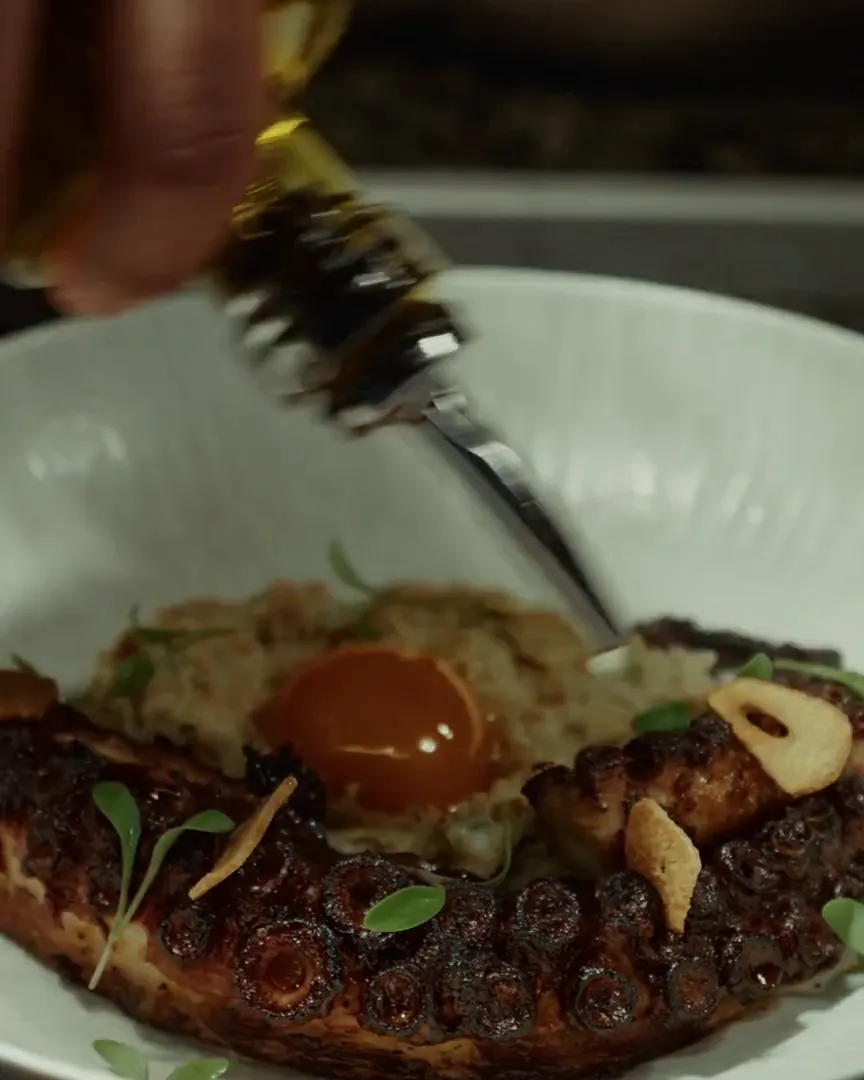
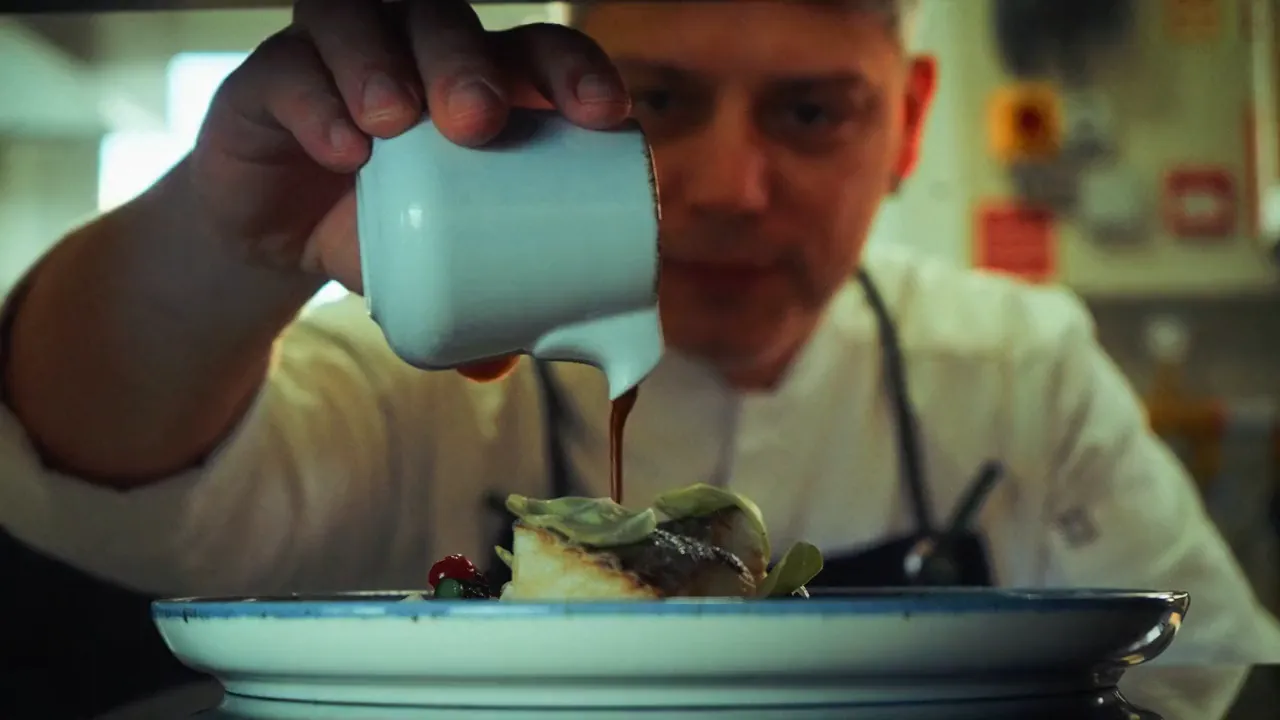
Hospitality and food, where authenticity sells. A hotel room, a view, a plated dish exist to be checked against reality by a guest who books because of what they saw. AI-generated interiors and food shots look plausible until compared with the real thing at check-in, and that gap becomes a trust problem, not a marketing win.
Brand films.A brand film's job is to carry the feeling of a company through its people, spaces and craft. That feeling comes from specific, unrepeatable details, a real factory floor, a real founder's hands, a real accent, that generative tools average away by design.
Sameness. AI video tools draw on overlapping training data and default aesthetics. Left unmanaged, output from different brands using the same tools starts to converge, the opposite of what a brand needs from its content.
Consumer trust. Audiences are getting faster at spotting synthetic footage, and the trust penalty once a viewer suspects content is not real tends to be worse than if the brand had simply used lower-production but genuine footage.
Rights and legal risk. The legal status of the data used to train generative video models, and the ownership of the output, remains unsettled in several jurisdictions. For a brand asset meant to run for years across markets, that is a real exposure, not a hypothetical one.
Decision Table: By Objective and Budget
Match the objective and budget to the right approach instead of defaulting to whichever option is loudest this quarter. For most brand work, the answer is real production.
| Objective | Budget | Recommended approach |
|---|---|---|
| Internal concept test, no external audience | Very low | AI video is fine, nobody's trust is at stake |
| Quick draft to align a team before a shoot | Very low | AI video as a preview only, real production for the deliverable |
| Social content reaching real customers | Low to medium | Real production, sameness and trust risk are not worth it |
| Corporate or institutional video | Medium | Real production, this is your company representing itself |
| Customer testimonial | Any | Real production, a real person on camera, no substitute |
| Hotel, resort or restaurant content | Any | Real production, authenticity is the product being sold |
| Brand film | Medium to high | Real production, this is where trust is built or lost |
A simple rule sits underneath the table: if the content's job is to prove something real exists to a real customer, film it for real. AI video has a place, but for most brand work, that place is not the finished deliverable.
Why We Still Shoot for Real
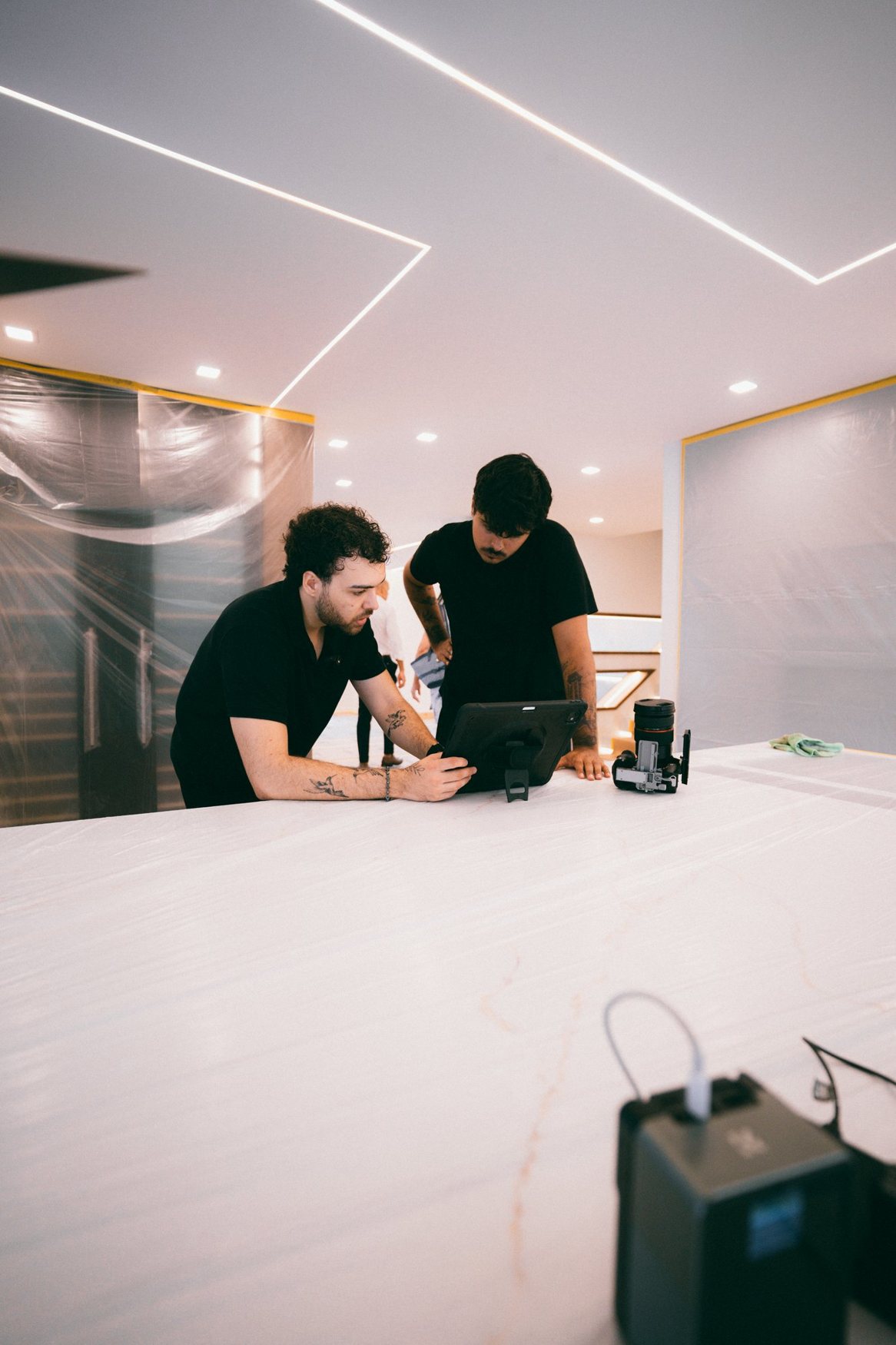
We are a Lisbon-based production studio, founded in 2023, 50+ projects delivered, average client rating of 9.6/10. Beyond Focus does not make AI-generated videos and does not sell AI video production. Our bet is on real capture: real cameras, real people, real locations. We use modern post-production tools where they save a client time, the same way any professional studio does, colour grading, editing software, delivery formatting, but the footage itself is always real.
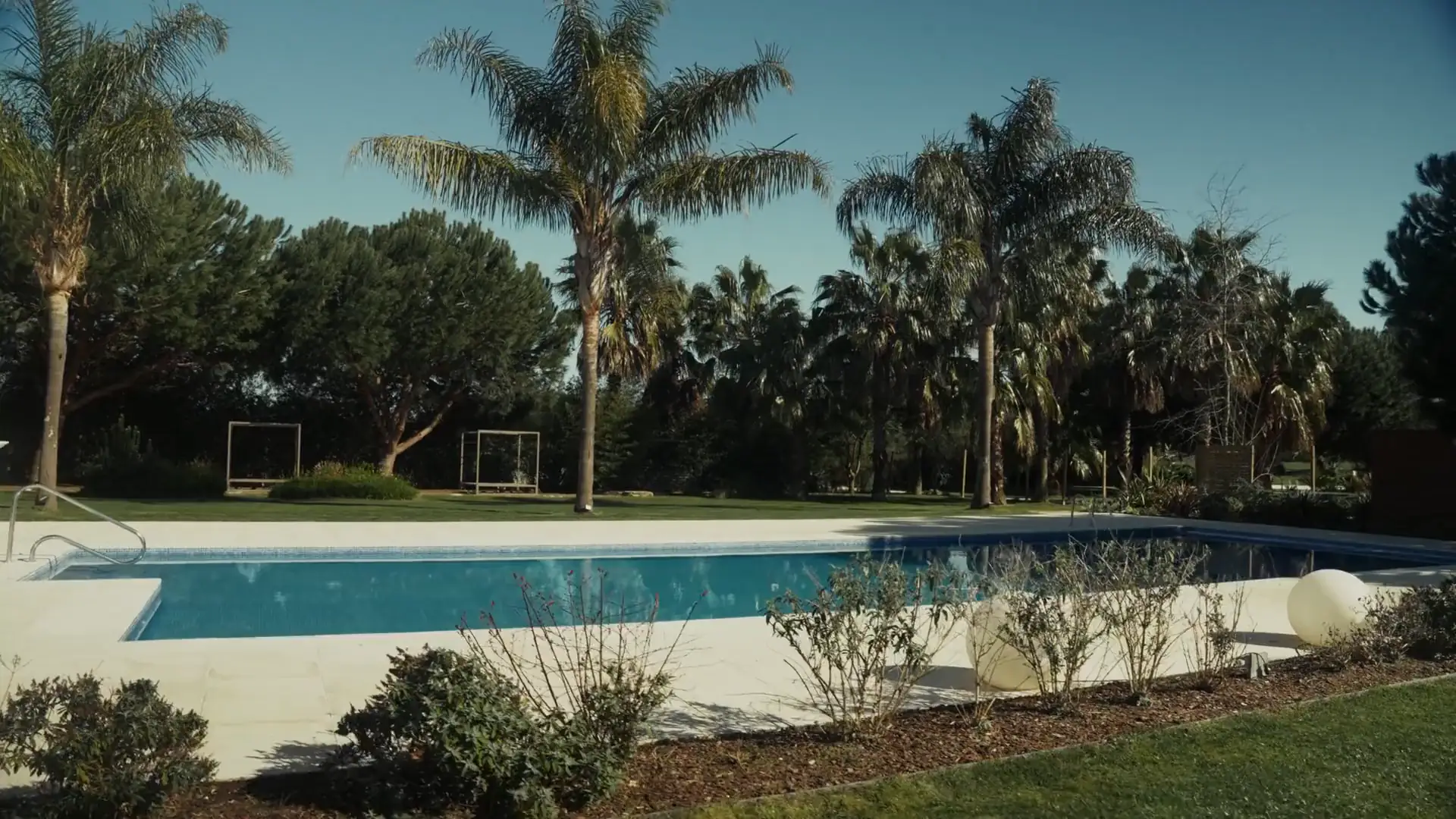
The results back that bet up. For Hotel Casa Palmela, a Small Luxury Hotels property in the Serra da Arrábida, real footage and photography drove a +40% CTR increase on their Booking.com listing, a number an audience of real travellers responded to because what they saw was what they got at check-in. For El Corte Inglés, we covered their Air Invictus 2026 activation beside the Douro in Porto in a single real shoot, delivering a horizontal film for TV and digital alongside a vertical cut for Instagram and TikTok, same rodagem, two formats, filmed by our crew, on the day, at the actual activation.
See more of the work in our portfolio, and how real production fits an international client relationship in remote video production in Portugal and a video production partner in Europe.
How to Use AI Sensibly Without Misleading Your Audience
If you use AI video anywhere near your brand, keep it upstream of the customer. Use it to test a concept internally, to align a team on direction before a shoot, or to draft a rough placeholder that never ships. Do not use it to stand in for a real testimonial, a real hotel room, a real product, or a real person representing your company. The moment a real customer is the audience, the honest move is to film it for real, or say clearly that it is not real, and most brands do not want to make that second choice.
Costs for a properly filmed alternative are usually comparable to what brands already budget for content, see our video production costs in Portugal guide for current ranges.
FAQ
Common questions
Does Beyond Focus make AI videos?
No. Beyond Focus is a real-capture production company: real cameras, real people, real locations. We use modern post-production tools where they save a client time, the same way any professional studio does, but we do not sell AI-generated video as a deliverable.
Is AI-generated video ever good enough for a brand?
Yes, for internal drafts, throwaway social tests and early concept previews where nobody's trust is on the line. It is not good enough for testimonials, hospitality and food content, or any brand film meant to build trust with real customers over time.
Can audiences tell the difference between AI video and real footage?
Increasingly, yes. Consistency across a full film, natural blinking, believable delivery under different emotional beats, and small imperfections that read as real all still break down under scrutiny in AI-generated video. Audiences do not need to consciously spot the flaw to feel that something is off.
What are the legal risks of using AI video for brand content?
The legal status of the data used to train generative video models, and who owns the resulting output, remains unsettled in several jurisdictions. For a brand asset meant to run for years across markets, that is a real exposure, and it is a cost real production does not carry.
When should a brand choose real production over AI video?
Whenever the content needs to prove something real exists to a real customer: testimonials, hospitality and food, brand films, executive interviews, anything where trust is the product being sold. Real production is also the safer default for any brand asset meant to last years across multiple markets.